Senior Dog Adoption and Rehoming in South Africa
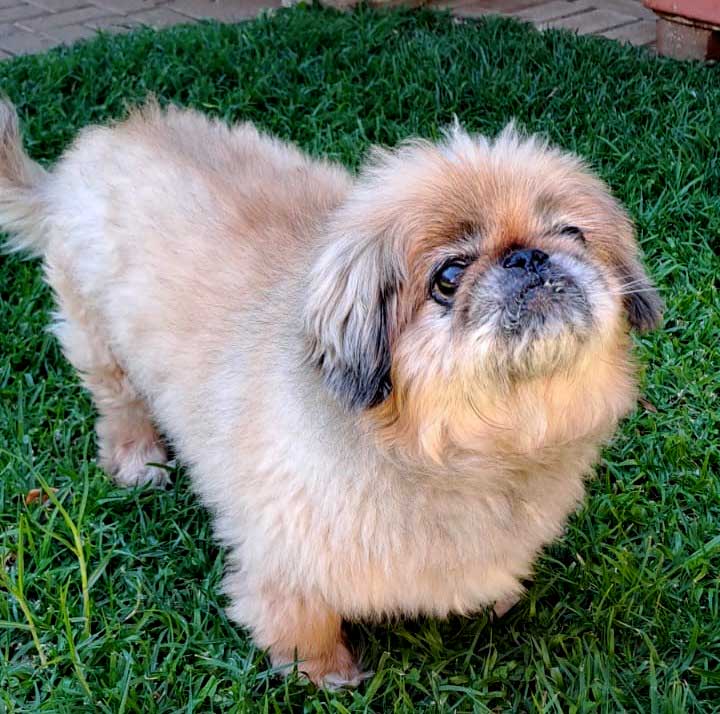
Older dogs can make wonderful companions. Many already understand household routines, enjoy a calmer pace and form deep relationships with their families. A successful senior adoption begins with honest health information and a home suited to the individual dog.
Little Doggy Rescue supports home-to-home adoption and rehoming across South Africa. We consider the dog’s health, temperament, routine and location when reviewing potential families.
What Counts as a Senior Dog?
There is no single age at which every dog becomes senior. Size, breed, genetics and health all matter. A veterinarian can assess the dog’s life stage and identify medical needs that should be considered during rehoming.
Do not assume an older dog is inactive or unhealthy. Some senior dogs enjoy daily walks and play, while others need a quieter routine, shorter outings or mobility support.
Information Owners Should Prepare
- Age, breed, sex, weight and sterilisation status.
- Veterinary records, vaccination history and microchip details.
- Medication, allergies, previous procedures and current health concerns.
- Mobility, vision, hearing and dental information.
- Normal food, feeding times, sleep routine and toileting habits.
- Exercise preferences and comfortable activity level.
- Compatibility with children, dogs, cats and visitors.
- Fears, anxiety, guarding or other behavioural concerns.
Recent photographs should show the dog clearly and honestly. Our rehoming photo guide explains what works best.
What Makes a Suitable Senior-Dog Home?
The ideal home differs from dog to dog. Useful considerations include:
- A manageable number of stairs and safe access to the garden.
- Secure fencing and protection around pools.
- A predictable routine and comfortable sleeping area.
- Financial preparation for normal veterinary care and possible medication.
- Existing pets whose temperament and activity level suit the senior dog.
- Enough time and patience for a gradual adjustment.
Some older dogs enjoy children, while others need a quieter adult home. The individual profile—not age alone—should guide the match.
Questions Adopters Should Ask
- When was the dog last examined by a veterinarian?
- Which medication or special food is currently required?
- How long can the dog comfortably be left alone?
- What exercise does the dog enjoy?
- How does the dog behave around other animals and visitors?
- Are there changes in mobility, toileting, hearing or vision?
Applicants should budget for an independent veterinary assessment after adoption and discuss any health concerns with a veterinarian.
A Gentle Home-to-Home Transition
Keep familiar food, bedding, bowls and medication with the dog. Give the new family written notes about routines, commands, sleeping habits and fears. Avoid overwhelming the dog with many visitors and changes during the first days.
Our guide to bringing a rescue dog home offers practical settling-in advice.
Apply or Request Rehoming Help
Browse dogs currently available for adoption and read each profile carefully. To offer a suitable home, complete the adoption application.
If you need to find a home for an older small dog, start the safe rehoming process. Read our Trust and Transparency standards for more information about screening and owner involvement.